Key Takeaways
- “Bali Rotancraft” does not officially exist; research general rattan crafts for purchase insights.
- Visit Sukawati Art Market for rattan crafts; prices range from $3 to $12 USD per item.
- Best buying seasons are off-peak tourist times for better prices and quality.
- Explore Mas Wood Carving Village and Tegalalang Handicraft Center for authentic and diverse rattan crafts.
The ideal time to purchase Bali rattan crafts in 2027 for the best quality and prices is during the dry season, from April to October. Lower humidity levels and stable shipping conditions make this period perfect for both local shopping at places like Sukawati Art Market and international exports.
Understanding Bali Rattan Craft Market
Bali’s rattan craft market is renowned for its exquisite handmade products that blend traditional techniques with innovative designs. The term “rotancraft” is likely a reference to these unique rattan items available in prominent locations such as Sukawati Art Market and Guwang Art Market. These markets are well-established and have been catering to tourists and locals for years, offering everything from household items to intricate jewelry.
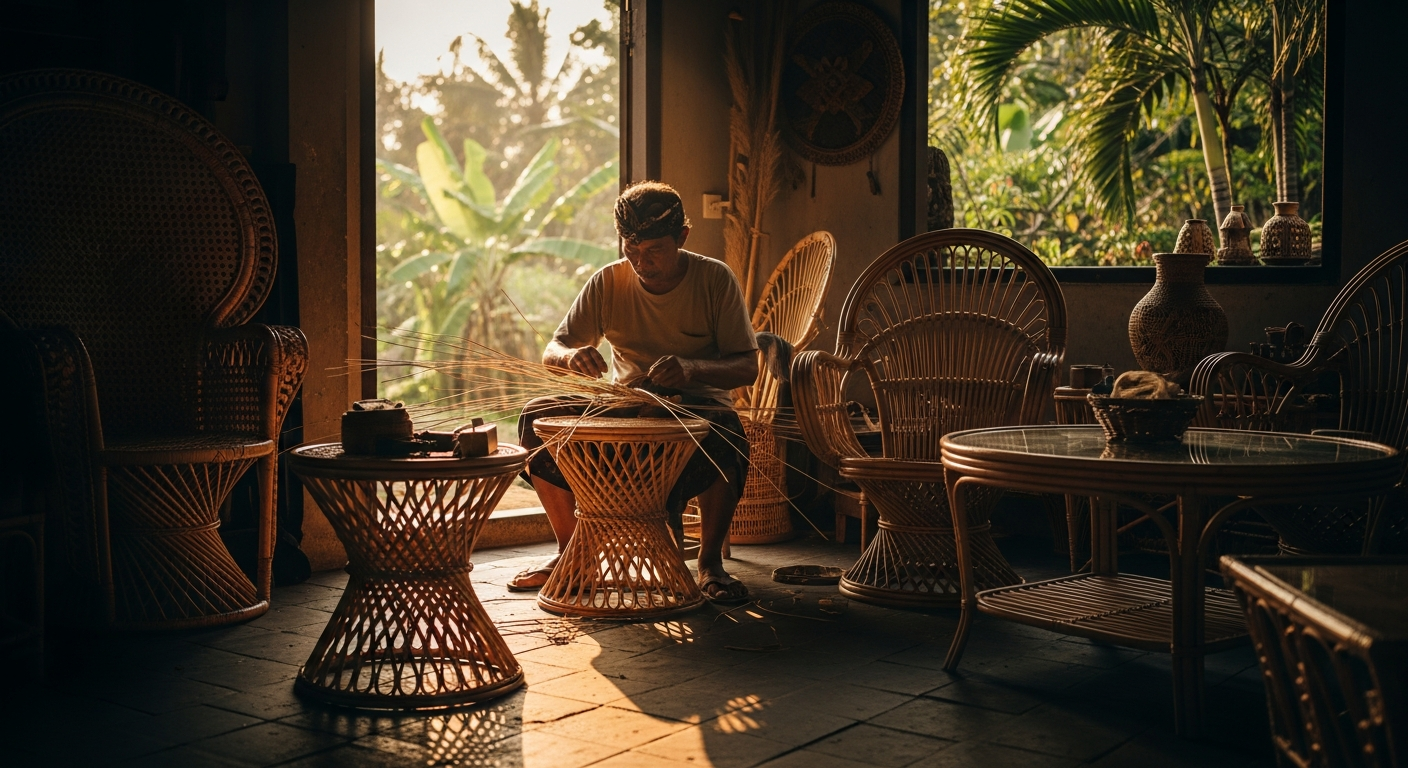
Rattan, a naturally growing vine in Indonesia, is harvested and then crafted by skilled artisans in villages like Mas Wood Carving Village and Tegalalang Handicraft Center. These areas are pivotal in the supply chain and are located approximately 25 km from Ubud and 40 km from Denpasar, making them accessible for visitors interested in seeing the crafting process firsthand. The artisans in these villages use a blend of traditional methods and modern designs to create pieces that are both functional and aesthetically pleasing. This unique combination has contributed to the global appeal of Bali’s rattan crafts.
However, as of mid-2026, no concrete information regarding “Bali Rotancraft” exists in verified market directories, artisan village records, or tourism listings. This suggests that “Rotancraft” might be a hypothetical or misspelled reference to the type of rattan handicrafts available at established markets, rather than a specific business entity.
Best Time of Year to Purchase
The dry season in Bali, spanning from April to October, is considered the best time to purchase rattan crafts. During this period, the weather is more predictable, with lower humidity levels that are perfect for the preservation and shipping of delicate items like rattan. The dry season also supports better logistics, ensuring that items retain their quality during transportation, especially for international buyers.
Operators like Bali Handicraft Export find this season more favorable as shipping delays are minimized, ensuring that buyers receive their goods in excellent condition. This period also coincides with the peak tourist season, meaning there is a higher turnover of products, keeping stock fresh and varied. For those planning a trip to Bali during this time, it’s advised to visit early in the season to enjoy a wider selection of crafts.
Travelers should also consider attending local festivals and markets that often occur during the dry season. These events provide a lively atmosphere and may offer special crafts not typically found in everyday markets, enhancing the shopping experience.
Where to Buy Rattan Crafts in Bali
Several markets and stores are renowned for selling high-quality rattan crafts in Bali. The Sukawati Art Market, located on Jalan Raya Sukawati in Gianyar, is a prime location where items range in price from $3 to $12 USD depending on size and intricacy. This market operates daily from 06:00 to 18:00, providing ample time for shoppers to explore the wide variety available.
Other notable locations include Krisna Bali Souvenir Shop in Kuta and Guwang Art Market in Banjar Cemenggaon, Sukawati. These venues are famous for their extensive collections and the opportunity for bargaining, which can reduce prices by 20-40%. The Pasar Seni Guwang is also worth visiting, with no admission fees and a reputation for exquisite batik fabrics and custom rattan jewelry. Visitors to these markets can also enjoy a cultural experience, as they often feature local performances and eateries serving traditional Balinese cuisine.
When visiting these markets, it’s advisable to go early in the morning to avoid crowds and have the first pick of the day’s offerings. Early visits also provide a chance to engage with vendors, learning about the stories and traditions behind each piece of art.
Bargaining and Pricing Insights
One of the joys of shopping in Bali is the opportunity to bargain. While fixed prices are becoming more common in some stores, many markets still allow for negotiation. This cultural practice can lead to significant savings, especially in places like the Guwang Art Market where bargaining is expected. Shoppers can often secure discounts between 20-40%, making it possible to obtain high-quality rattan crafts at much lower prices.
Understanding the general price range before heading to the markets can be beneficial. Rattan items like baskets or small decorative pieces usually start at around $3 USD, with more elaborate designs costing upwards of $12 USD. Prices can vary based on the complexity of the design and the time taken to craft each piece. It’s crucial to approach bargaining with respect and a friendly demeanor to ensure a positive interaction with vendors.
For the best results, it’s recommended to research typical pricing beforehand and observe how locals interact with vendors. This knowledge can empower tourists to negotiate confidently and fairly, ensuring a rewarding shopping experience.
Logistics and Shipping Considerations
For those looking to purchase rattan crafts in bulk or ship items internationally, the dry season’s logistical advantages cannot be overstated. During this time, major operators such as Bali Handicraft Export experience fewer delays, ensuring that orders reach their destinations efficiently. The stable weather conditions contribute to the reliability of shipping services, making it the preferred time for both buyers and sellers.
It’s important to confirm shipping details and costs with vendors before completing a purchase. Factors such as item size, weight, and destination are crucial in determining the total shipping cost. Most markets and shops will assist with packaging and provide reliable shipping options, but it’s advisable to seek recommendations from previous buyers or online reviews for peace of mind.
Additionally, understanding customs regulations in the buyer’s home country is essential to avoid unexpected import duties or restrictions. Many vendors and export services in Bali offer guidance on these matters, helping streamline the international purchasing process.
Exploring the Crafting Villages
For a deeper appreciation of the craftsmanship involved in Bali’s rattan products, visiting the source villages is highly recommended. The Mas Wood Carving Village and Tegalalang Handicraft Center are places where visitors can see artisans at work, using age-old techniques to create contemporary pieces. These villages are about 25 km from Ubud, providing a convenient day trip for those staying in the area.
Engaging with the artisans and understanding the crafting process adds value to any purchase. Many artisans are happy to share their stories and explain the intricate steps involved in crafting each piece. This not only enhances the buying experience but also allows buyers to connect with the cultural significance behind their chosen items.
Visitors can also participate in workshops to try their hand at creating their own rattan crafts under the guidance of skilled artisans. This unique experience not only offers a deeper insight into the labor-intensive process but also serves as a meaningful souvenir of their time in Bali.
FAQs
Q? What is the average price range for rattan crafts in Bali? Prices typically range from $3 to $12 USD per item, depending on size and complexity. Bargaining can further reduce these prices by 20-40% in many markets.
Q? When is the best time to visit Bali for shopping rattan crafts? The dry season, from April to October, is ideal for shopping rattan crafts due to favorable weather conditions and more reliable shipping logistics.
Q? Are there any entry fees for visiting rattan markets in Bali? Most markets, such as Pasar Seni Guwang, do not charge entry fees, allowing free access to explore and shop.
For wider arrangements, our partner baliluxurytransport can coordinate end to end.
Planning something bigger across Indonesia? For end-to-end service see rajaampatyachtcharter.
Explore all balirotancraft.com options and plan your trip.