
Our editorial desk, and what we verify
Bali Rattan Craft produces and exports rattan furniture and homeware. This page explains how our material and durability pages are researched.
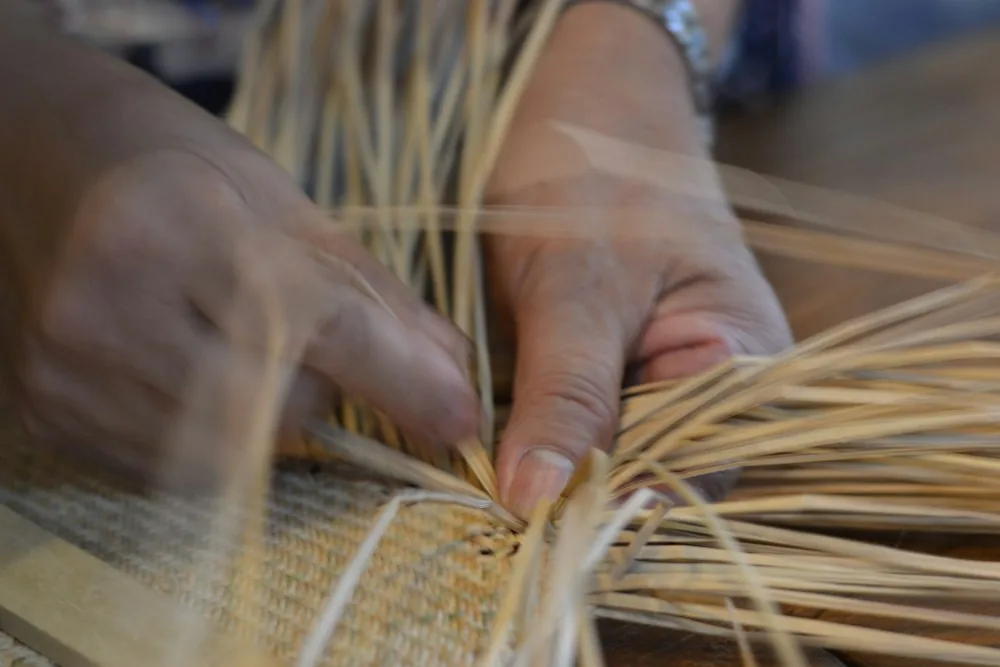
Rattan has real limits
Most disappointment with rattan furniture comes from buyers who were never told what the material does. Natural rattan is a climbing palm, not a hardwood: light and strong in tension, it dislikes prolonged direct sun and standing water, and its core takes up moisture if the finish is broken.
Synthetic rattan behaves almost oppositely. We write about both honestly — including where synthetic is the better choice.
“A durable outcome matters more to a repeat buyer than a purist recommendation.”
What we do not claim: no weaver, foreman or designer is named on this site, and we publish no individual’s years of craft experience. Where a page describes a technique, it describes the workshop’s method, not a person’s biography.
Where our facts come from
How sourcing, treatment and export claims on our pages are checked.
- Species & grade
- Species, grade and diameter come from the supplying processor, not from a catalogue description.
- Treatment
- Fumigation, bleaching and the drying schedule before weaving are recorded from our own production.
- Phytosanitary
- Requirements for plant-based goods are traced to the issuing Indonesian authority and dated.
- Timber legality
- Any paperwork the destination asks for is traced to the issuing Indonesian authority and dated.
- Natural vs synthetic
- Both are described honestly, including where synthetic rattan is the better choice.
- People
- No individual is named, and no personal years of experience are published.
- Material advice
- Based on where the piece will live: covered terrace, open garden or indoors.
Not sure which material fits?
Tell us where the piece will live — covered terrace, open garden or indoors. That answer decides the material.
+62 811-3941-4563 bd@juaraholding.com Mon–Fri · 9AM–6PM (GMT+8)